First aid belongs to everyone. Yet lots of people with impairments still encounter avoidable barriers when they try to acquire a first aid certificate or keep their CPR skills current. The outcome is predictable: fewer competent -responders in your home, at work, and in the community. I have educated first aid and CPR courses in corporate spaces, recreation center, and tiny living-room with a health center bed in the edge. The distinction between a good course and a comprehensive class boils down to preparation, design, and respect for just how people really live and move.
This overview distills what service the ground. It talks to training suppliers building programs, to handicap advocates advising companies, and to individuals choosing which first aid course will really offer them. The goal is not to decrease bench. We hold the same end result: secure, effective first aid and CPR. We transform the path to obtain there.
Why the common version leaves individuals out
Traditional first aid courses still presume a narrow pupil profile: ambulant, sighted, hearing, neurotypical, and complimentary to kneel on the flooring for lengthy stretches. The layout adheres to that presumption. Instructors speak to slides for long blocks, then switch to timed drills on reduced manikins with tight evaluation scripts and marginal adjustment. An individual making use of a mobility device or with limited hand stamina, low vision, or sensory handling requires locates the surprise message quickly: you are an edge case.
The cost shows up in silent methods. A deaf participant lip-reads and misses out on side instructions during a noisy situation, so the assessment flags a mistake. An individual with minimal reach can not perform compressions on the floor manikin with appropriate depth, despite the fact that they can supply efficient compressions on a raised surface. A neurodivergent student masters one-to-one coaching yet stops working a team circumstance with layered sound that causes shutdown. None of these results reflect ability in an actual emergency. They reflect a training design that did not account for disability.
What incorporation resembles in practice
Inclusive first aid training transforms the setting and the method before it transforms the evaluation. The most reliable victories seldom cost much.

Room setup initially. Make sure clear 90-centimeter pathways, no cable dangers, and room for side transfers to and from mobility devices. Supply varied seating heights and 2 adjustable tables. Contend least one grown-up manikin that can be increased to waist height with a secure table or a committed stand, plus a kid and infant manikin in a similar way adaptable. For AED technique, put the unit on a folding table within reach as opposed to on the floor.
Materials issue. Large-print handouts, a digital version suitable with screen visitors, and high-contrast slides aid more than just low-vision participants. A pocket talker or loophole system and tidy subtitles for any type of video clips sustain hard-of-hearing students. Visual routines reduce anxiety for those who like predictability. For responsive discovering, a ribs-and-sternum responsive design instructs hand placement well for both blind individuals and anybody who discovers finest by touch.
Instruction changes from lecture-heavy to multi-sensory. Show, tell, reveal once again, and let individuals practice in different positions. Urge learners to request the adaptation they require, then cook those adaptations right into your plan so no person feels like an unique case.
Assessment stays rigorous, yet it measures end results that map to real emergency situations. Can the student acknowledge cardiac arrest, phone call for assistance, start compressions, use an AED, control blood loss, and place an unconscious individual to preserve an open respiratory tract, using techniques available to them? If indeed, they have attained the function of a first aid and CPR course.
Designing training courses that match genuine bodies and actual contexts
Language in first aid training can leave out without any person seeing. Phrases like "need to stoop close to the individual" or "drag the sufferer to safety and security" disregard movement constraints and safer options. Replace strategy absolutes with objective declarations. Instead of "place turn over the sternum with straight arms while stooping," attempt "deliver compressions at the right price and deepness making use of a safe body position for you." That change enables seated compressions, chest-height manikin arrangements, or supported standing.
Breathing checks require similar quality. For a blind student, "seek chest increase, listen and really feel" is not workable. Educate responsive chest activity examine the upper abdomen or reduced ribs and safe positioning for that check, coupled with clear time signs. For a deaf trainee, a flashing metronome application set to 100 to 120 beats per min constructs reliable compression rhythm without depending on a music cue.
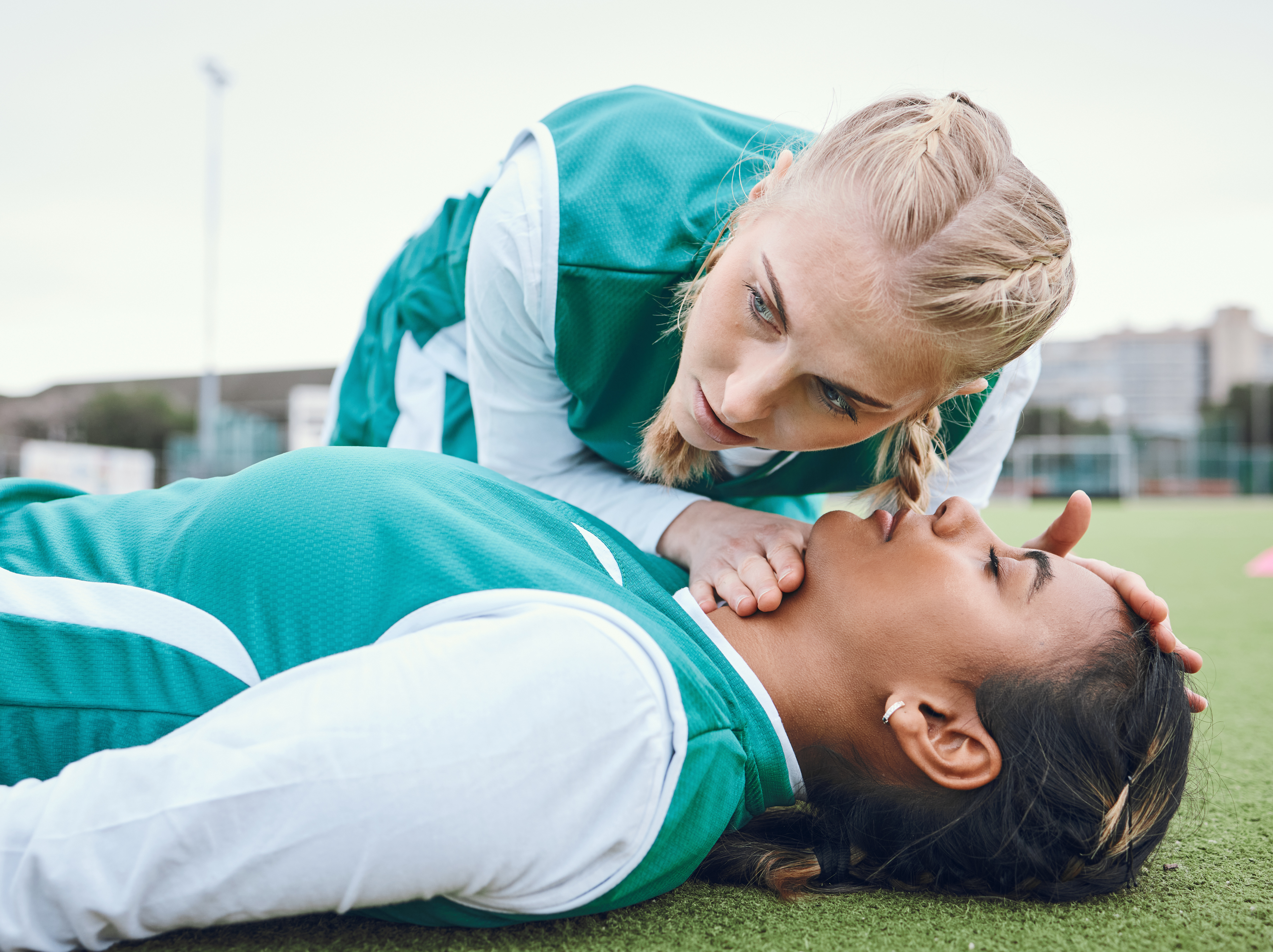
AED confidence commonly increases or falls on dexterity and reach. Supply several instructor AED models and pads with bigger pull tabs. Practice pad placement while seated, https://arthurcyom529.trexgame.net/cpr-for-beginners-getting-over-fear-and-doing-something-about-it with the person on a bed or cot height, so students that can not stoop still build automaticity. If a trainee has one useful arm, teach pad application with a peel-press technique from the corner, sliding the pad from the support with the chin supporting a side, after that smoothing with the heel of the hand.
Bleed control is another place where comprehensive technique transforms the outcome. Somebody with minimal grip might not sustain the stress required with a single hand. Show them exactly how to support their forearm over the wound and lean in, or exactly how to make use of a pressure clothing with a windlass that can be tightened up making use of take advantage of instead of finger strength. For participants with tremor, a Velcro-based tourniquet might be a lot more manageable than a buckle type.
Recovery position is entitled to unique interest. Many people with specials needs have fused joints, spasticity, or dental implanted gadgets that change safe rolling auto mechanics. Educate numerous side-lying alternatives, consisting of pillow or apparel as assistance props, and just how to stabilize the head and hip without pressure. If the client utilizes a wheelchair and can not be lifted securely, concentrate on air passage upkeep in the chair: chin lift, strap elimination or loosening, mild onward turn with assistance, and consistent monitoring until aid arrives.
What students with handicaps continually ask for
The same demands appear time after time when we request feedback. They are clear, sensible, and often simple to meet.
- Transparent alternatives at registration: an ease of access list that covers car parking, lift access, toilets, space format, manikin elevation options, illumination, audio support, captioning, and an invite to demand particular adjustments. Predictable breaks and sensory control: arranged quiet time every 60 to 90 mins, dimmable lights, and lessened background songs throughout drills. Alternative practice setups: manikins at flexible elevations, strong chairs without armrests for transfers, and space to practice log rolls with sliding sheets instead of floor-only drills. Assessment adaptability with comparable outcomes: the ability to demonstrate compressions seated, to verbalize steps plainly when tactile presentation is unsafe, and to utilize assistive tech where it does not modify the skill outcome. Respectful interaction: teachers who ask before touching, explain each action out loud, and treat assistive tools as component of the individual's body and autonomy.
How to adapt CPR training without decreasing standards
CPR top quality is measurable. Compression depth, price, recoil, and minimal disruptions matter. Excellent inclusive method maintains those metrics front and center, after that locates the body technicians to get there.
Start with altitude. Raising the manikin to mid-thigh or waistline degree often allows a seated rescuer to drive compressions with top body weight, not simply arm muscular tissues. Use a non-slip floor covering under the manikin to stop drift. For short stature or restricted reach, bring the manikin closer to the table side, chest encountering the rescuer, so the shoulders stack over the heel of the hand.
Rhythm help should be silent and visual when needed. A wrist-based metronome with vibration helps a deaf or hard-of-hearing rescuer, and it additionally aids in noisy atmospheres. Pass over loud for learners who take advantage of acoustic pacing. Supply real-time comments manikins when available, but do not make Click here! green-light reliance the goal. Teach how proper body feel maps to the feedback so students can do without devices.
For learners with one-sided weak point, alternative hands and adjust stance. Some will attain far better deepness using a one-hand strategy with the various other forearm braced across the sternum to include mass, specifically in kids and little adults where overly deep compressions are a risk. Show when and where that is appropriate, and just how to change rescuers effectively if a teammate is available.
Mouth-to-mouth air flow is a common barrier for those who can not develop a seal or maintain breath pressure. Prioritize compression-only CPR for adult abrupt cardiac arrest when there is limited capability for rescue breaths. When breaths are suggested, such as in sinking or pediatric arrest, instruct bag-mask air flow with strap-assisted seal for those with minimal hand strength, and two-rescuer strategies that appoint the seal to the stronger collection of hands.
AED pads on unshaven breasts or with dental implanted devices create functional questions. Show pad placement around a visible pacemaker or dental implant, and use the spare pad technique with solid press and quick removal to clear hair patches. For a person with reduced finger dexterity, pre-peel a corner of the pad backing for speed throughout drills, then exercise the full peel once the sequence is memorized.
Beyond CPR: first aid abilities with usual adaptations
Choking action teaches well with tactile signs. For blind trainees, demonstrate hand placement by leading their hands to landmarks on a consenting volunteer or an upper body trainer, always with consent. For wheelchair users, show the seated Heimlich variant making use of chest thrusts from behind or from the front with the rescuer stooping or seated, depending on loved one height. Record these options in the handout so students do not need to rely upon memory.
Epilepsy first aid intersects with wheelchair tools more often than many fitness instructors realize. If a seizure begins while somebody is making use of a wheelchair, do not eliminate them unless there is immediate danger you can not mitigate. Secure the chair, pad sharp edges with apparel, support the head, display air passage, and time the event. Later, check for injury, rearrange for convenience, and regard post-ictal disorientation. Construct a scenario around this so learners method genuine choices.
Diabetes monitoring in course must exceed textbook indications. Individuals with low vision may depend on tactile functions first aid course close to Southport of glucometers. Others use continual glucose displays with alarms. Educate exactly how to identify hypoglycemia by habits and speech patterns, when to supply fast-acting sugar, and how to navigate approval with someone that shows up puzzled. Lug 15-gram sugar choices with clear tags and huge print.
Wound care welcomes imagination. For an individual with restricted pinch stamina, pre-tear tape strips and show how to secure dressings with a wrap rather than multiple little sticky tabs. For an amputee or a person utilizing a prosthesis, review pressure factors and skin shear, after that exercise dressings that avoid those areas. Stress infection control methods that work seated: hand health with pump containers, easy-to-open gloves, and an assigned sharps container if training consists of epinephrine auto-injectors.
Mental health and wellness first aid syncs normally with special needs incorporation. Instruct grounding techniques that can be utilized from a seated setting and scripts that value freedom. A calmness, descriptive voice can de-escalate effectively: "I am here, I will certainly move to your left so you can hear me much better, I am going to talk slowly and keep my hands visible."
Certification, assessment, and fairness
Most first aid and CPR courses culminate in an evaluation straightened with a standard. Lots of standards enable assessor discretion regarding placement, devices elevation, and adjusted communication, as long as the skill outcome is the same. The secret is clear documentation.
If a learner performs compressions seated at an elevated manikin and continually fulfills price and depth, document that they attained CPR criteria making use of a seated position with a raised surface area. If they demonstrate AED usage with an alternate pad application series that still leads to analysis and shock delivery, note the equivalence. Be sincere regarding any type of restrictions, such as a learner that can start compressions yet tiredness early and requires a team method. Credibility builds trust and assists the learner make real-world plans.
For concept tests, provide large-print or electronic variations compatible with display visitors. Enable added time when checking out speed, motor control, or interpreter relay requires it, as long as timing is not essential to safety. For deaf pupils, partner with certified interpreters and provide access to the exam materials beforehand under confidentiality so technological terms are consistent.
Renewal demands often press individuals out. A cpr correspondence course every one to three years is standard, however the obstacle is seldom expertise decay. It is accessibility. Offer short-format refresher courses with focused sensible terminals, mobile delivery for community teams, and remote theory updates with in-person skills checks that consist of the very same adaptive configurations as the initial class. When the path back in is sensible, individuals remain current.
Working with interpreters, assistance employees, and personal assistants
An inclusive class invites the team around a learner. Interpreters and support employees need to be oriented on the day's circulation, safety regulations, and their duty throughout hands-on skills. Make it clear that the learner, not the aide, will finish assessed actions. During drills, place the interpreter within the student's visual field, not behind tools. If the assistance worker deals with transfers or settings, develop that right into the scenario so you can assess the communication along with the skill.
For learners who utilize voice output tools, enable additional time for them to connect with classmates during team-based scenarios. Emergencies are social. The capability to deliver a clear guideline via a device issues and is entitled to practice.
Selecting a course and a carrier you can trust
Not every first aid training service provider prepares to provide inclusive courses. You do not need to guess. Ask sharp, practical inquiries prior to you enlist. If the answers are vague, keep looking.
- What details adjustments do you provide for CPR technique and evaluation, including seated or elevated-surface compressions? Do you give products in large print and digital formats suitable with screen visitors, and are videos captioned? Can you confirm accessible auto parking, lift accessibility, and an obtainable commode within the very same flooring or with trusted lift access? How do you handle interpreters or assistance workers in course, and can they participate in at no added charge? Will my certificate coincide requirement as various other students when I show the required results using adaptations?
A qualified first aid pro will address without defensiveness, name the tools they make use of, and welcome you to share what works ideal for you. Numerous will certainly additionally want to run a private or small-group session if your needs are best met with a quiet environment or tailored pacing.
Building inclusive situations that still feel real
Scenario design separates average programs from memorable ones. For comprehensive training, manuscripts need multiple valid services. An organized heart attack in a confined shower room is a frequent choice in mainstream courses, but it is a poor opening scenario for a mobility device user. Rather, make use of a living-room format with furniture that can be moved, then present inquiries: what can we move, who can call, where can we position the patient for compressions that help this team?
Adjust sensory tons purposefully. Some learners gain from realistic sound and overlapping cues. Others will shut down. Offer two tracks for scenarios, one high-stimulus with alarm systems and bystanders, one low-stimulus with clear voice triggers. Allow learners opt in, or progress from silent to loud as self-confidence grows.
Write scenarios around assistive tech. A choking event with a ventilator in position, a loss with a service pet present, a diabetic person reduced while a constant sugar display alarm systems, or an anaphylaxis event using a fitness instructor auto-injector. Technique authorization and device safety along with the core first aid steps.
Risk, autonomy, and the ethics of help
Inclusive training courses need to talk honestly regarding threat and dignity. A person with breakable bones may make a decision that floor transfers are not appropriate outside a dire respiratory tract emergency situation. A person with a back fusion may prefer to keep compressions elevated and require additional help instead of take the chance of a self-transfer. These are not failings. They are notified choices.
Teach the principles that govern tough telephone calls. Maintain life, prevent further damage, and promote healing. Then layer in freedom and authorization. If a mindful individual refuses aid, regard that decision unless capacity is plainly damaged. If you touch, describe what you are doing and why, even if the person shows up less competent. For blind or low-vision people, keep up a running discourse as you examine and treat, so they are not left in silence.
Instructors sometimes fear that too much subtlety will confuse learners. In practice, people handle nuance well when it is secured in purpose. "We do this to maintain air moving. We do it in this manner due to the fact that your shoulders can not endure kneeling. Here is how we understand it is functioning."
Measuring impact and boosting over time
Track the basics. The number of students with stated handicaps enlist, full, and re-enroll? What adaptations did you make use of most, and where did tools fall short? Gather feedback at 2 points: the end of class and 30 to 60 days later, when people have attempted to apply what they learned at the office or home.
Aim for particular improvements each quarter. For instance, minimize average manikin arrangement time for seated compressions to under five mins by pre-rigging stands. Change any video clip without clean, exact inscriptions. Add a tactile breast bone design to your set. Calibrate your real-time responses manikins for sensitivity so that seated compressions score properly and fairly.
When a space triggers a learner to fall short, possess it. Deal a no-cost retest with the best setup, and document what you changed. Word travels fast in impairment communities. Competence with humility gains trust.
Cost, logistics, and business case
Inclusion is not charity, it is quality. The added devices is modest: a number of adjustable tables, a manikin stand or 2, non-slip mats, a responsive upper body model, a pocket talker, and printed large-format materials. Expect a preliminary outlay in the low 4 figures for a little training package upgrade. Interpreter solutions include cost per session, but can be pooled over teams or countered by targeted scheduling.

The return is genuine. Courses with comprehensive style fill seats that were formerly vacant. Corporate customers with ease of access policies notice and stay dedicated. A lot more notably, your graduates can really perform first aid and cpr in the settings they live and work in. That converts right into lives conserved and injuries mitigated.
A quick situation research study from the floor
A mid-size recreation center booked a first aid and cpr course for personnel and volunteers. The group included 2 wheelchair customers, one deaf individual with an interpreter, and a volunteer with low vision. We adjusted the space the night prior to: broad lanes, manikins on tables at two heights, a visual schedule on the wall surface, and a peaceful breakout room. Throughout CPR practice, the mobility device customers executed seated compressions at 110 bpm making use of a haptic metronome. Their deepness and recoil scores matched or gone beyond the ambulant group once we fine-tuned table height and manikin position.
In the choking module, we exercised upper body drives with a transfer choice and a circumstance in a cafe with slim aisles. The deaf participant led the AED station utilizing an instructor with strong aesthetic prompts, while the interpreter voiced group concerns. Analysis utilized the exact same outcome listing for everybody: hazard check, action, aid activation, compressions and AED sequence, hemorrhaging control, and healing positioning. Everybody fulfilled the standard. Two months later on, among the wheelchair users emailed to state they had begun compressions on a family member in a reclining chair while a next-door neighbor called emergency solutions. An AED from the lobby arrived within 4 mins. The person survived to discharge.
Finding your next step
If you are a potential student, try to find a first aid course that states its access features clearly and uses to adjust assessment without weakening standards. Inquire about cpr training configurations for seated compressions, schedule of large-print materials, and whether support employees can go to. If you currently hold a first aid certificate and your abilities feel rusty, enlist in a cpr refresher course that guarantees hands-on method at heights and settings that fit your body.
If you run training, audit your products, area format, and analysis manuscripts. Replace technique absolutes with purpose-focused language, build adaptable stations, and train your teachers to coach flexibly while shielding core criteria. If you work in purchase, set addition demands for first aid and cpr courses in your agreements so team with handicaps are not pressed to ad hoc fixes.
The job is concrete and prompt. A much better table, a more clear script, a second way to roll somebody safely, a metronome you can really feel instead of hear. Make those modifications and you do more than problem a certification. You hand people the self-confidence to act when it matters, with the bodies and devices they really have.